



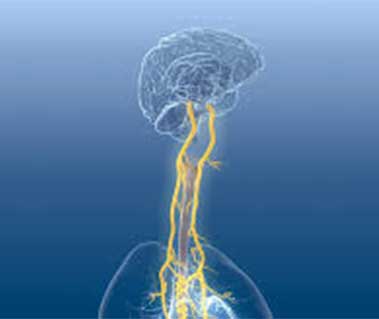
There are numerous recent articles on this subject, with stimulation devices designed to reduce stress, relieve anxiety, and improve sleep. So, what is it?
TheVagus Nerve (VN),sometimes referred to as the “cranial nerve,” is the “longest in the body, containing both motor and sensory functions in afferent and efferent regards. The nerve travels widely throughout the body, affecting several organ systems and regions of the body, such as the tongue, pharynx, heart, and gastrointestinal system. Because of the wide distribution of the nerve throughout the body, there are several clinical correlations” (Kenny & Bordino, 2022).
Simply put, VN dysfunctioncan lead to impaired communication between the brain and body. Consequences of impaired vagal signaling include but may not be limited to cardiovascular problems, behavioral problems, difficulty swallowing, digestive issues (including IBS), emotional dysregulation, hormone imbalances, headaches, inflammation, mental health disorders, respiratory issues, sleep issues, stress response dysregulation (Breit, et al., 2018).
Because the VN helps manage stress and emotions, as well as cognitive processes, including mood and anxiety levels, deep breathing, meditation, cold exposure, moderate exercise (including yoga), and even singing or humming are ways to stimulate the VN and reduce symptoms of anxiety and depression. Therapy supports the integration of these techniques on behalf of cognitive and behavioral/mood improvement.